Research field
Embedded System Design
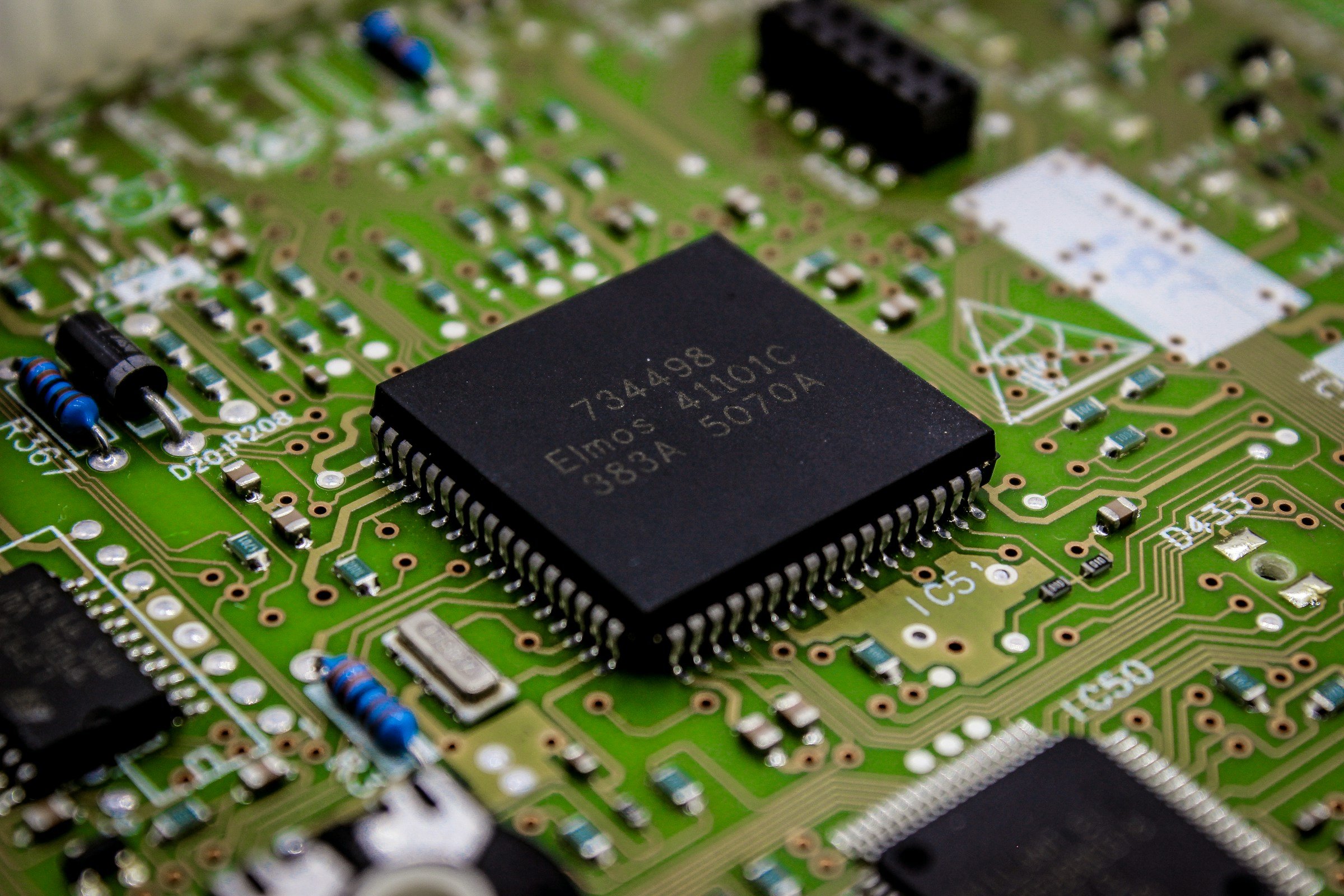
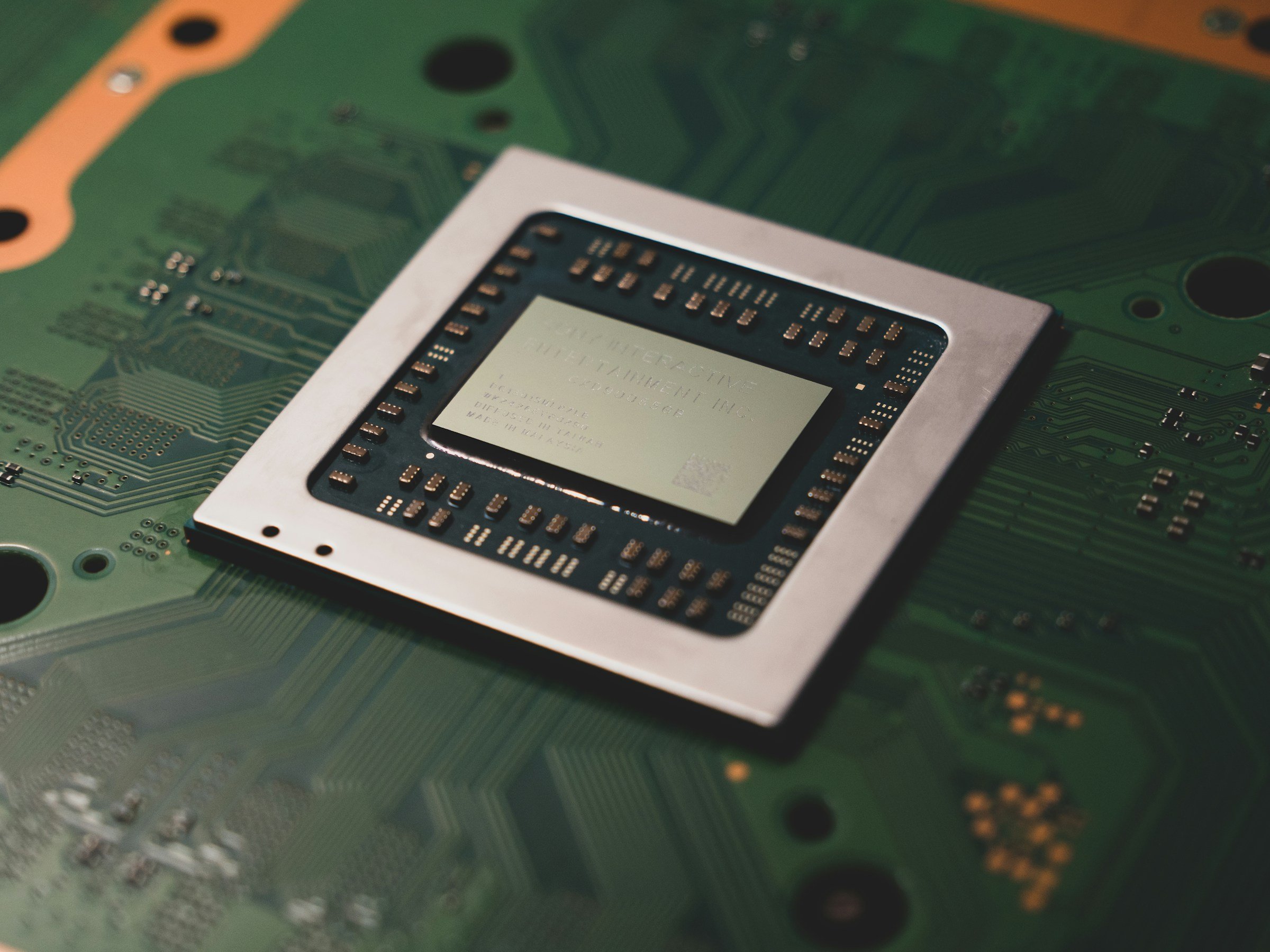
Most computers are invisible: as embedded systems they sit inside vehicles, machines, medical devices and sensors. Each one is tailored exactly to its task, and that is the art: making the right choices for processor, memory, interfaces and software.
What we work on
- Embedded systems: from microcontrollers to complex systems-on-chip
- HW/SW co-design: designing hardware and software together from the start
- Virtual prototypes: simulating and evaluating chips and systems before they exist
The result: systems that are ready sooner, more efficient and better matched.
From model to hardware
We design digital systems across several levels of abstraction: from an untimed description of the behaviour, through transaction-level models (SystemC/TLM) and the split into hardware and software, down to the implementation on an FPGA or ASIC. Each level answers different questions, and the earlier a question is answered, the cheaper the fix.
Our main tool is the virtual platform: a simulation model of a whole system on which the real software runs before there is silicon or a bitstream. SoCRocket was built this way for the European Space Agency (ESA); today we work with BuddelChip, an open RISC-V platform.
Measure, do not guess
A model is only as good as its numbers. So we feed measurements of real hardware (timing, energy, behaviour) back into our models and check their accuracy continuously. The virtual platform becomes a calibrated digital twin.
- In TwinSpace we generate load profiles by simulation so that safety-relevant software needs fewer resources.
- In Shift2SDV a digital twin checks over-the-air updates for vehicles for tampering before they are shipped.
AI where the data is
More and more neural networks have to run on the device itself: in the sensor, the control unit, the robot. There, real time, energy and dependability all count at once. We study how to map such models onto RISC-V processors and microcontrollers, for example by accelerating TensorFlow Lite Micro kernels with the RISC-V vector extension. In SSVEKI, embedded AI detects in real time when vehicles and vulnerable road users are about to collide.
Where our results are used
- Space: virtual platforms and IP cores for ESA's flight-proven LEON3 systems
- Automotive: distributed computing from sensor to edge (EMDrive), AI-based control for automated driving (EEmotion), the software-defined vehicle
- Industrial automation: tools for Industry 4.0 and the Internet of Things (Arrowhead Tools)
- Robotics: AI for perception and control on the platform itself, safe architectures for autonomous systems
Teaching and theses
The research field teaches Embedded Systems at Bachelor's level and Hardware/Software Co-Design, Real-Time Systems and Energy Efficiency in Embedded Systems at Master's level. Students looking for a thesis or project find topics with us from virtual platforms to AI on microcontrollers. Your contact is Dr.-Ing. Rolf Meyer.