Research group
Embedded Systems
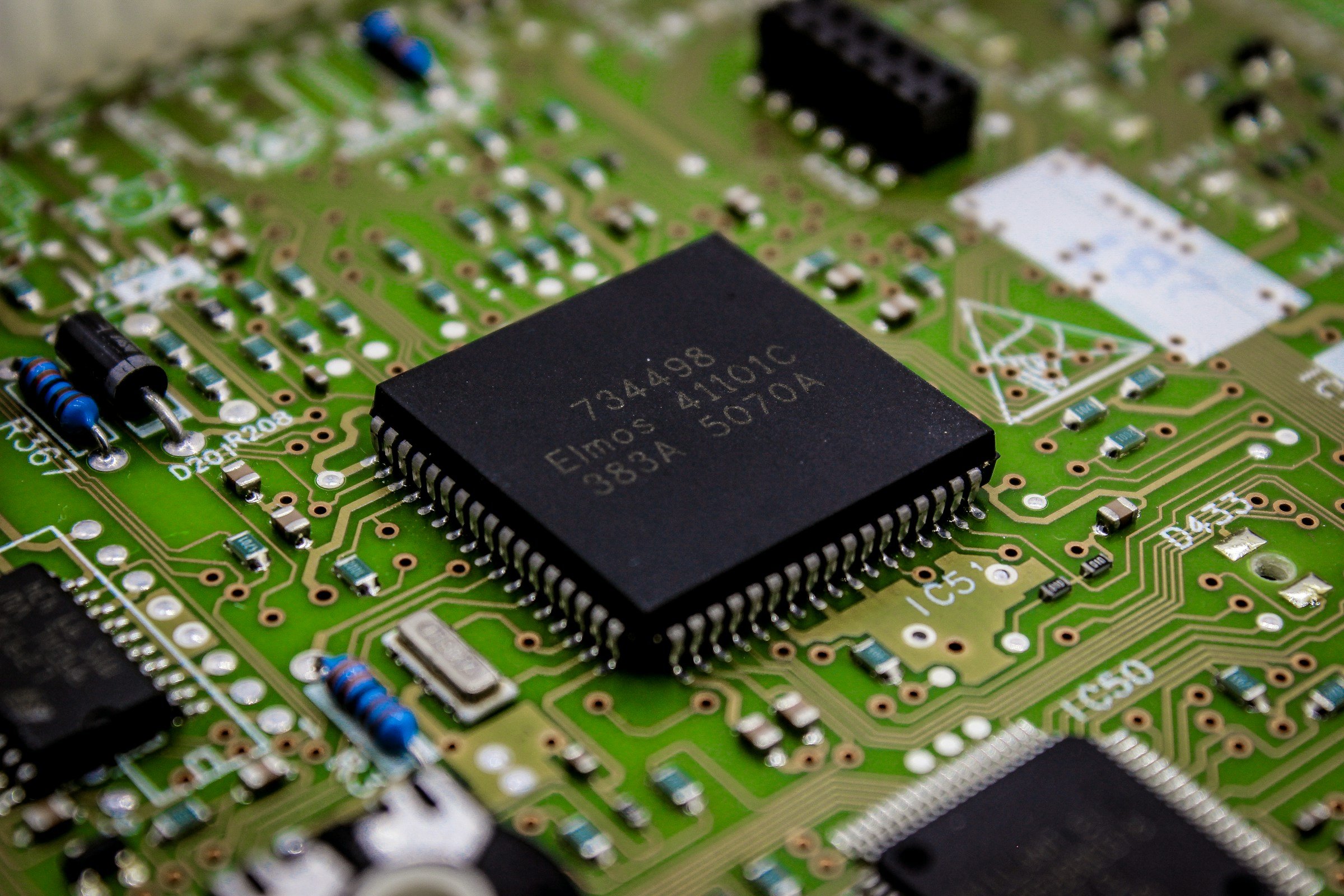
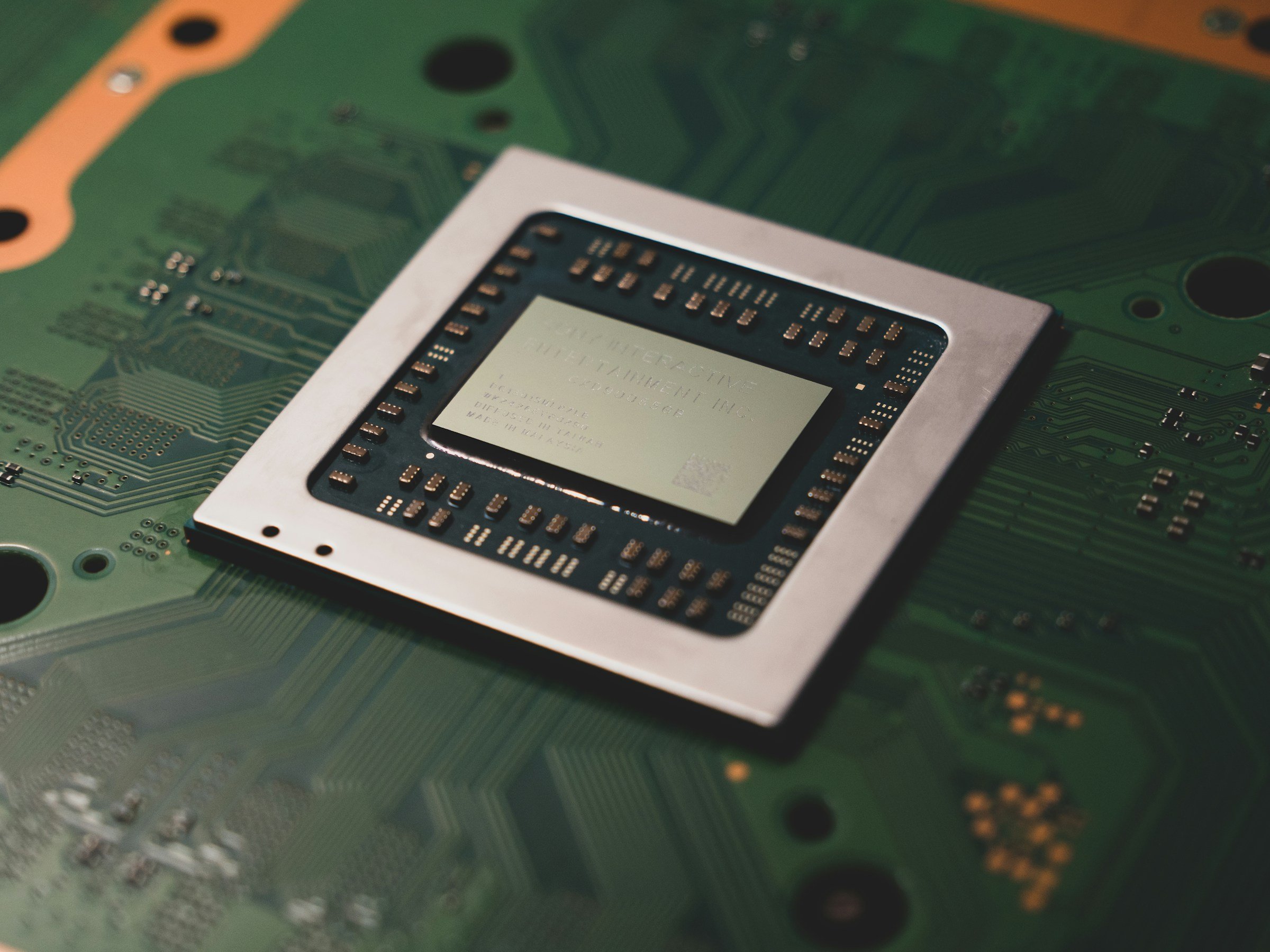
Small computers with a big impact. Embedded systems sit inside smartphones, cars and medical devices. They consist of microprocessors with memory and interfaces, on one chip or spread over several, and are tailored entirely to their task.
What we work on
- Systems from microcontrollers to systems-on-chip
- Virtual platforms and digital twins to simulate and evaluate systems early
- Applications in vehicles, industry and medical technology
An open RISC-V platform
With BuddelChip, Celine Thermann, Ahmed Mahmoudi and Rolf Meyer have built a RISC-V platform in SystemC/TLM-2.0, freely available under the MIT licence. Embedded software runs on it long before the hardware exists, and can be observed and measured as it runs. We use it in research as the basis for digital twins, and in teaching so that students can look inside a system.
AI on the microcontroller
Neural networks on small processors have to make do with little memory and energy. In TinyML Unleashed (TELFOR 2025) we accelerated TensorFlow Lite Micro kernels with the RISC-V vector extension: inference runs faster without an extra hardware accelerator.
SSVEKI shows what this looks like in a real application. Together with consider it GmbH we are developing an embedded system that uses position, speed and heading to detect in real time when vehicles and pedestrians, cyclists or other vulnerable road users are about to collide, and warns in time.
Digital twins of embedded software
How much computing time and energy does a piece of software really need, and on which hardware does it run most efficiently? In TwinSpace the group generates load profiles by simulation. A twin space captures the many possible implementations of a component, so that safety-relevant software for embedded systems can be optimised for low resource use. Measured timing and energy profiles keep the model honest.
Embedded systems for robotics
Since 2024 the group has been turning more towards robots and autonomous systems. Everything comes together there: perception and control have to run on the platform itself, in real time and on a limited energy budget, and functions of different criticality share the same hardware without interfering. To this end we carry our virtual platforms and digital twins over to mobile, sensor-driven systems.